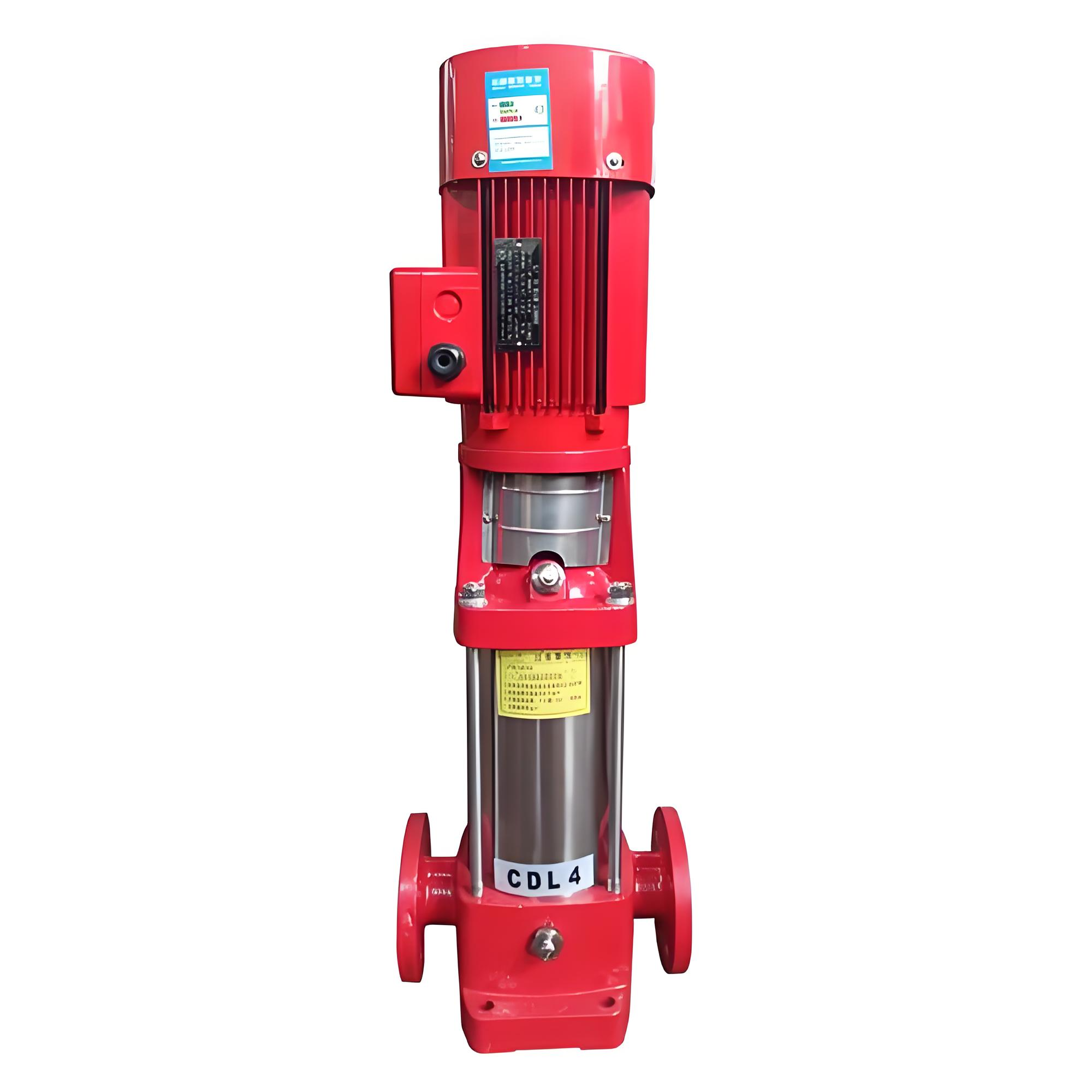
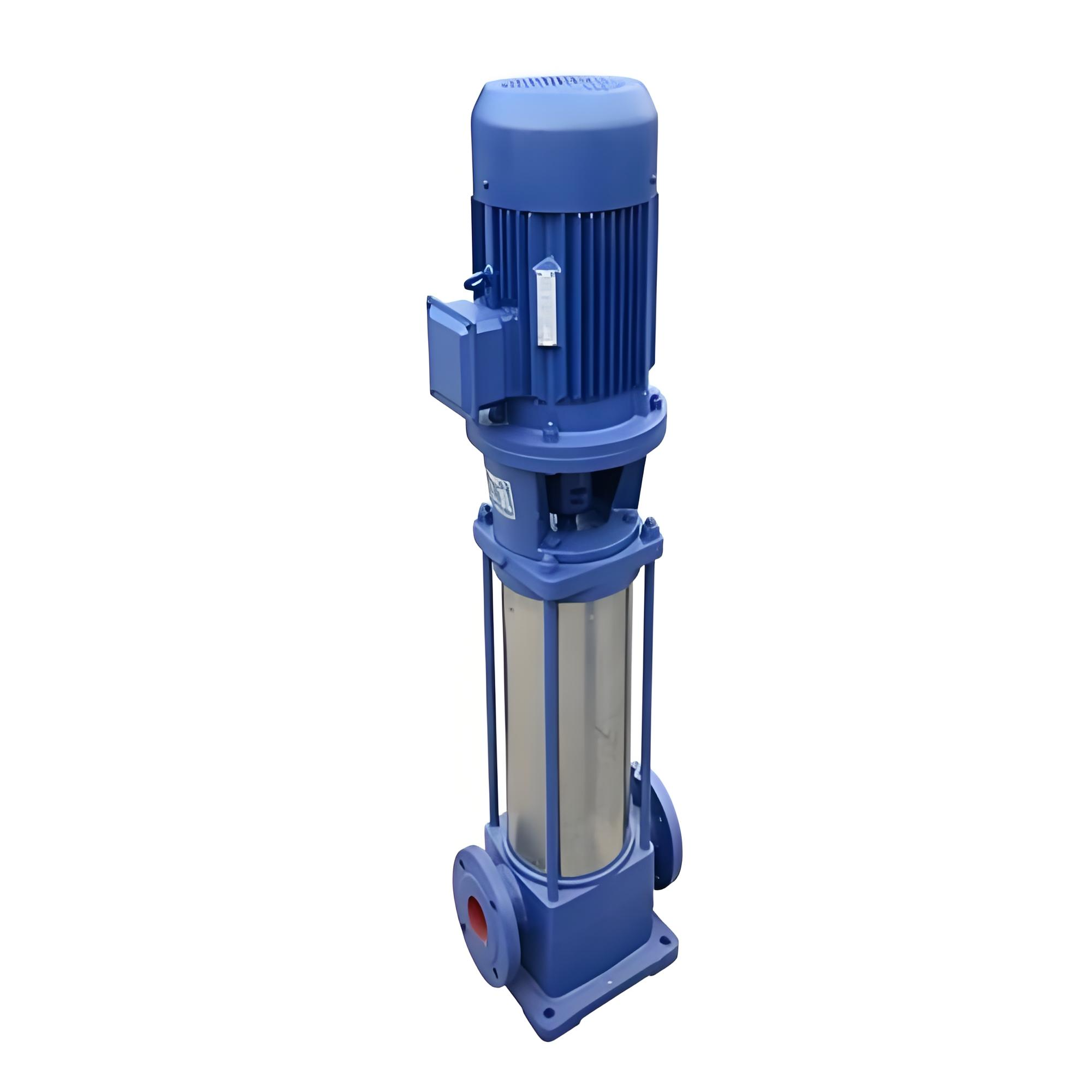
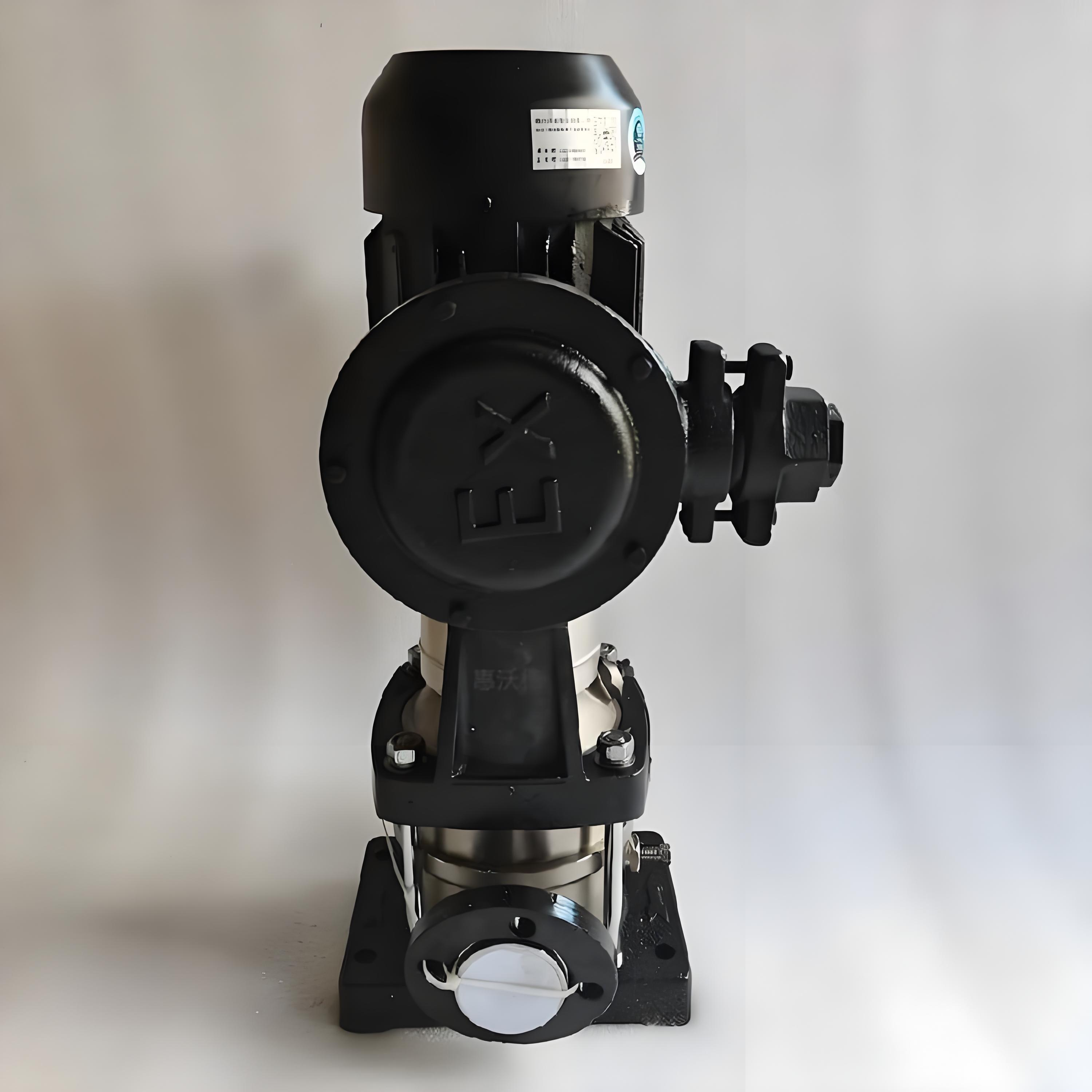
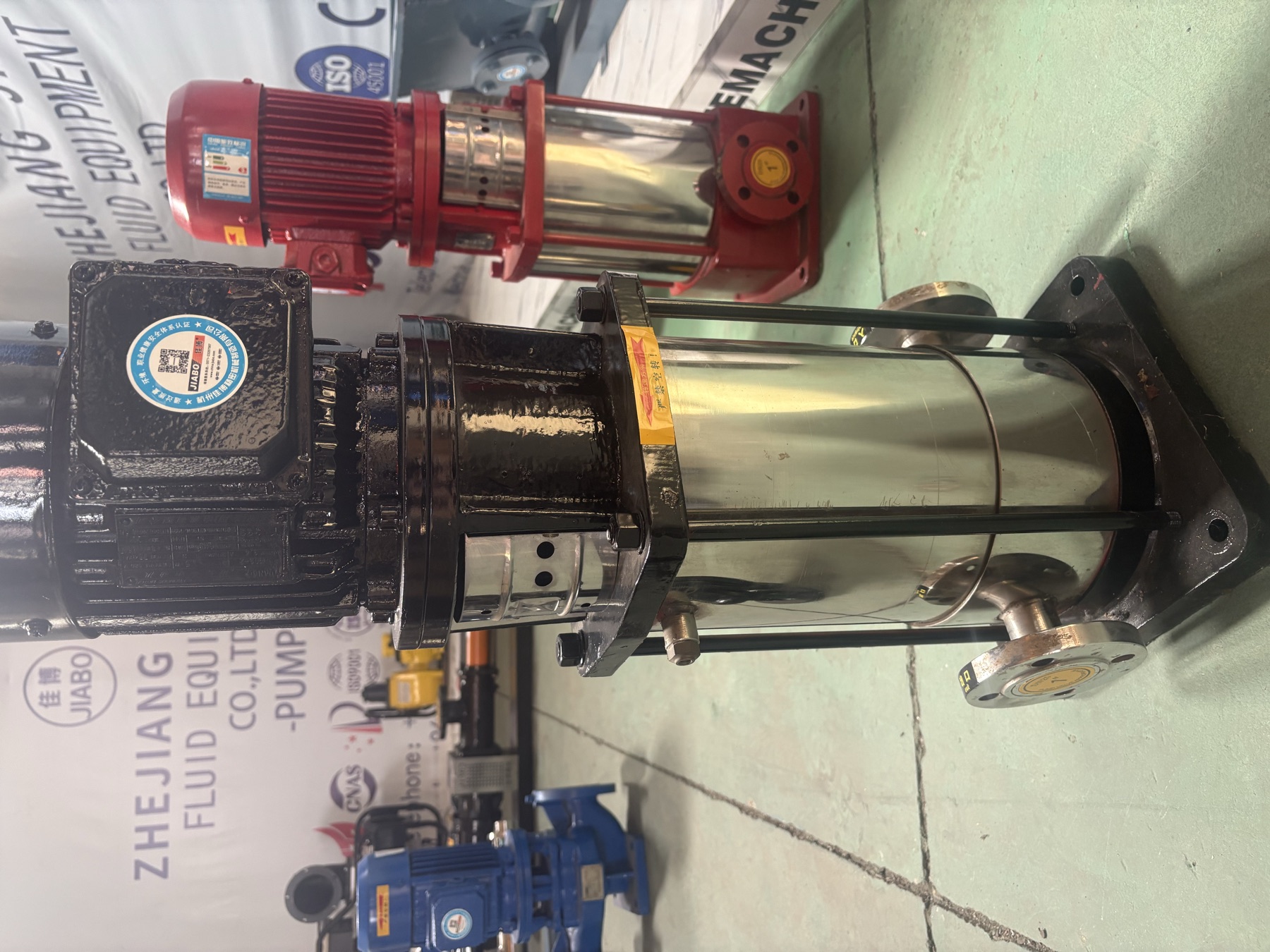
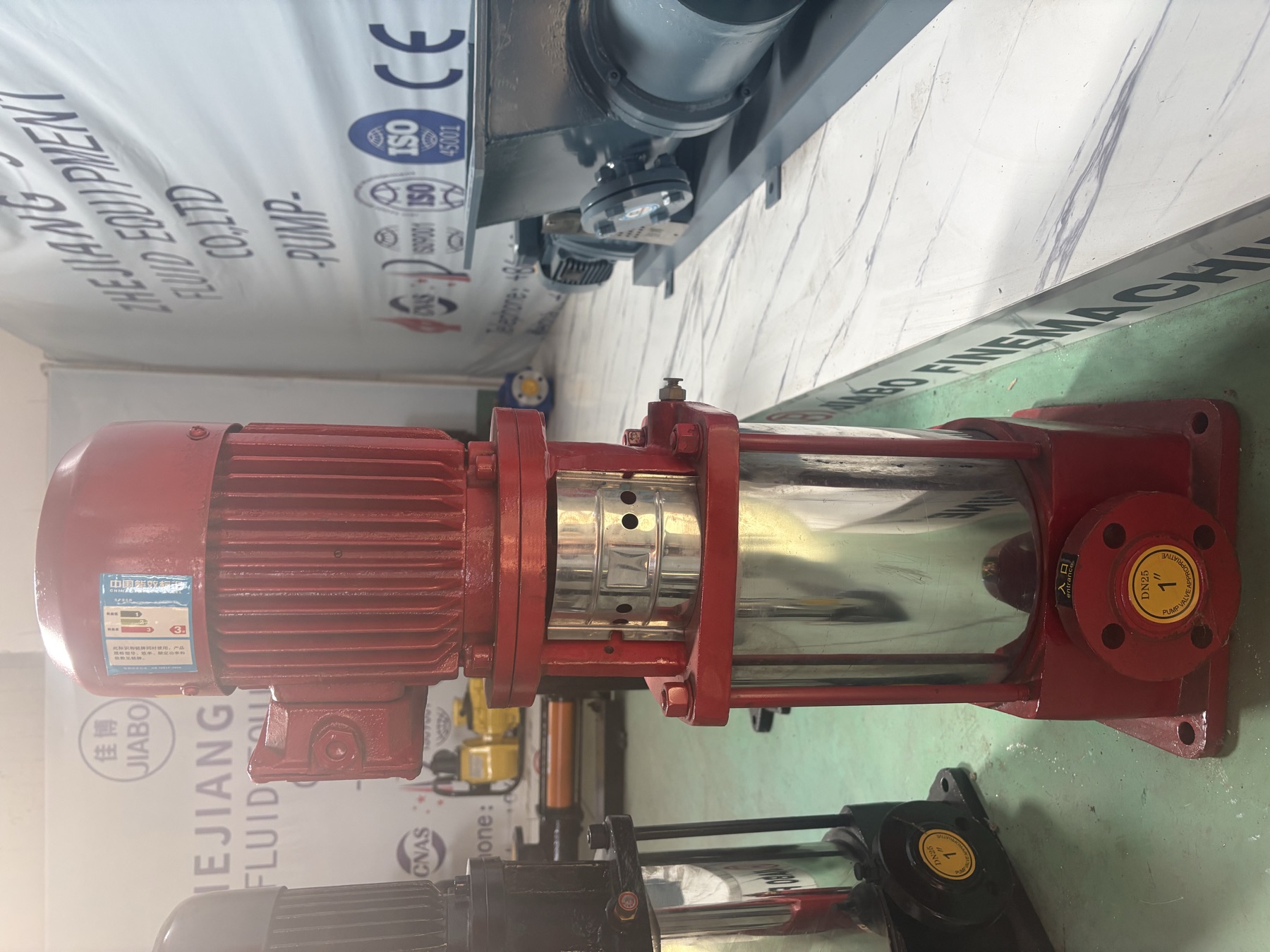
What is a vertical multistage centrifugal pump used for?
It places several impellers in series to develop higher head in a compact vertical arrangement. Typical enquiries include building water pressure boosting, reverse-osmosis feed, industrial water treatment and higher-head clean-water supply.
What is the difference between a vertical and horizontal multistage pump?
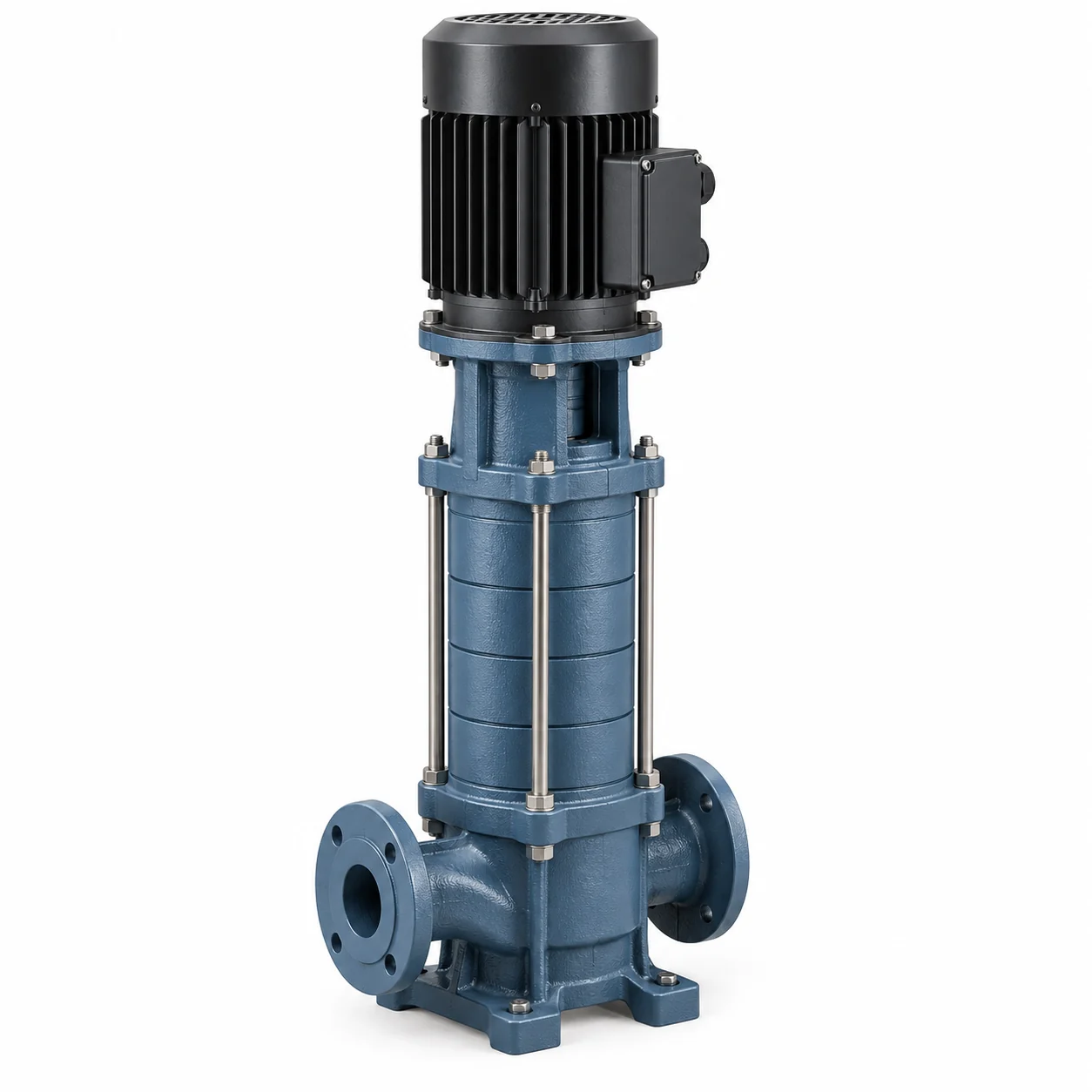
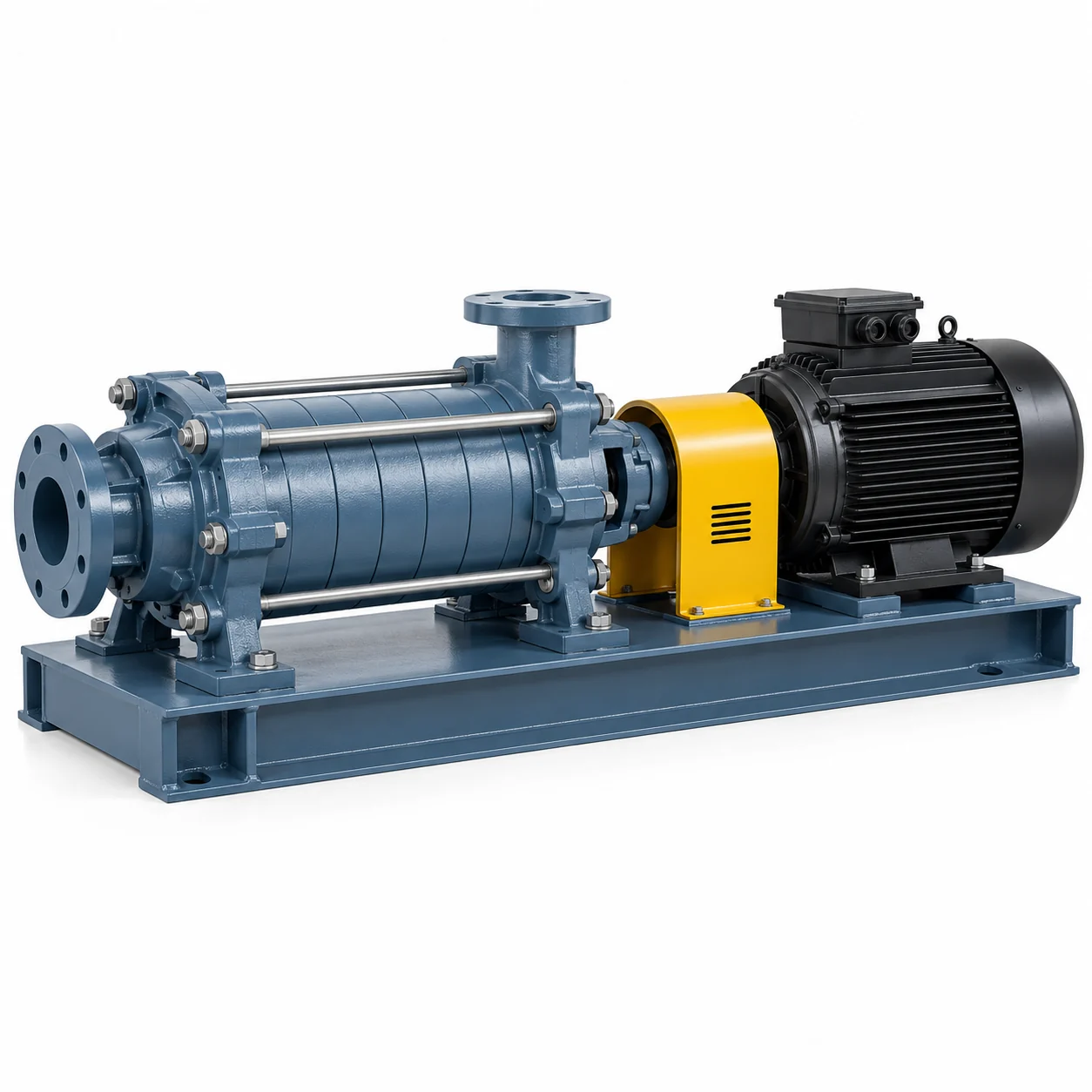
The vertical arrangement saves floor space and is common in packaged booster and treatment systems. A horizontal ring-section arrangement offers a different baseplate, coupling and maintenance layout. Final choice depends on duty, suction conditions, space and service access.
When should I investigate a multistage pump?
Investigate it when the water-supply duty calls for a higher head than a suitable single-stage option, while still checking the flow, liquid and installation conditions against an exact curve.
How do CDL, LG and DG differ on this site?
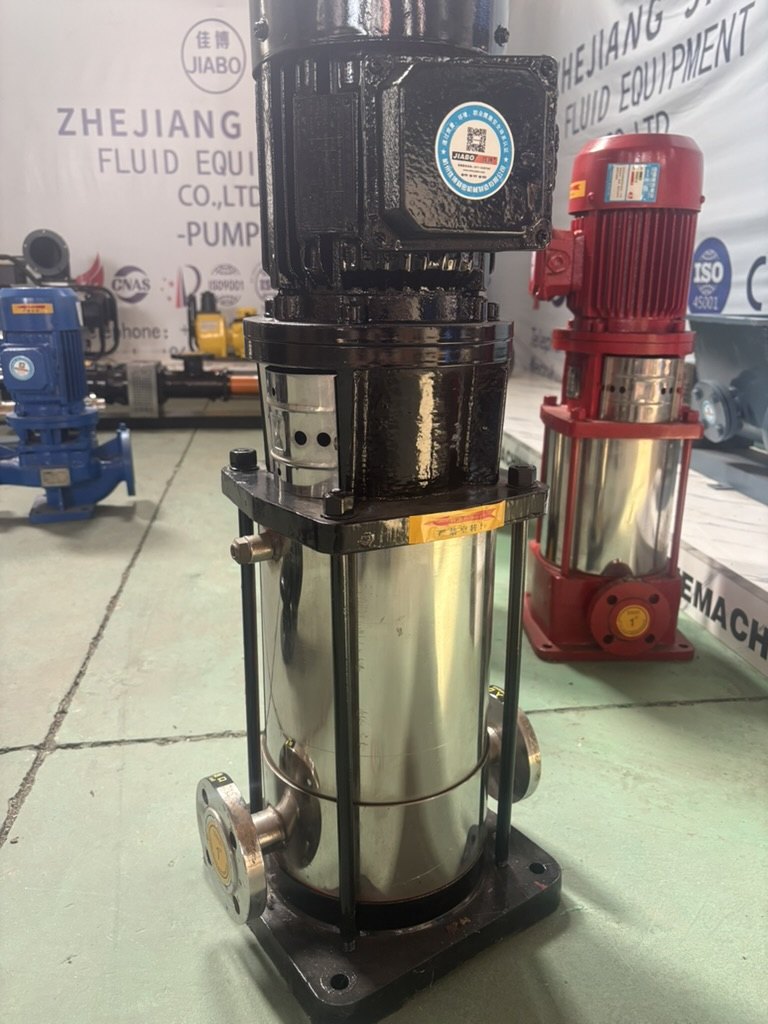
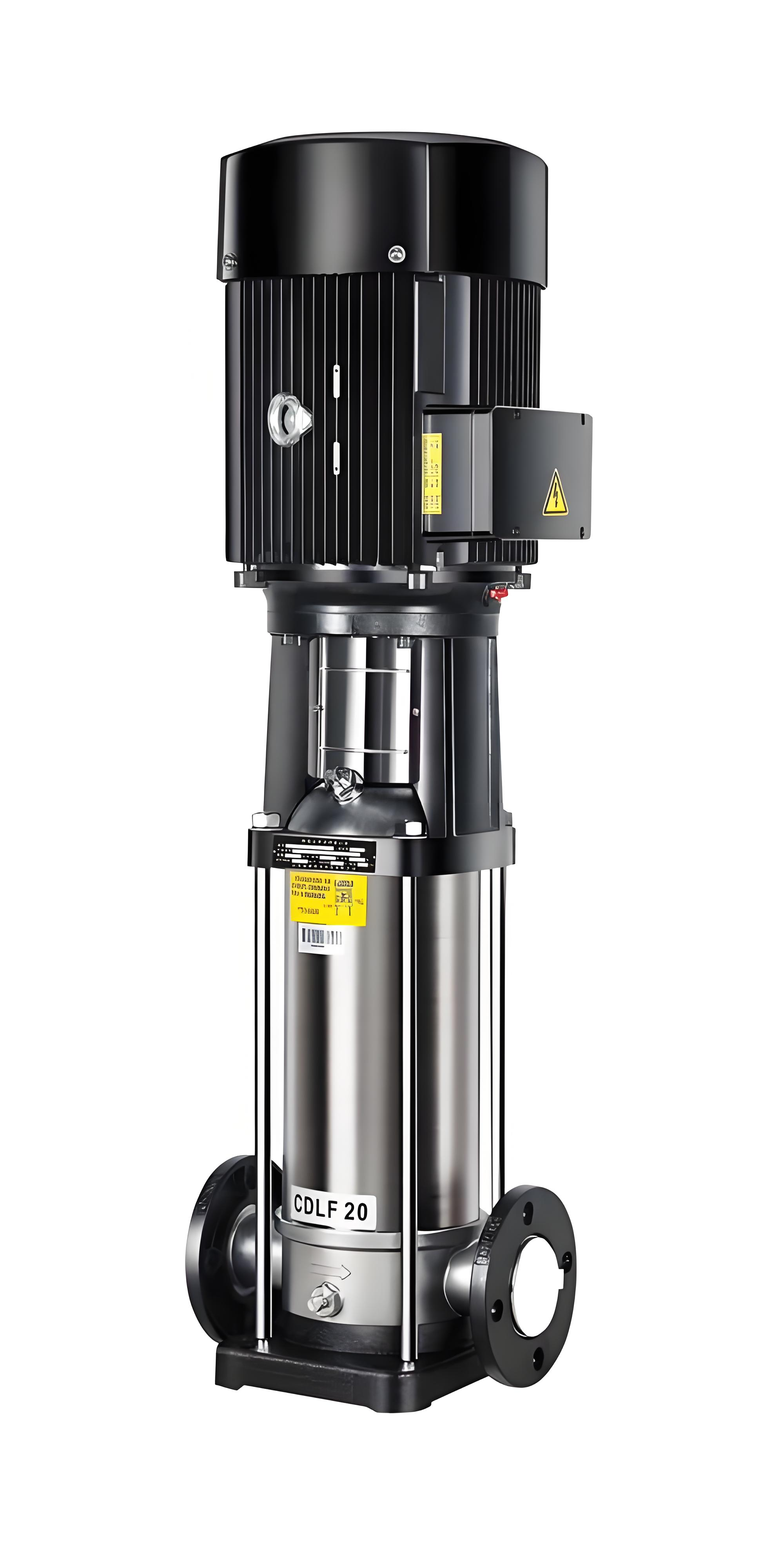
CDL and LG are named vertical multistage series; DG is a named horizontal series. We have supplied photos for CDL but not verified current model tables for LG or DG, so ask for those datasheets before comparing ratings.
Does a stage count alone tell me the delivered pressure?
No. The actual head at your required flow comes from the specific model's performance curve and the system duty point. Share both flow and total dynamic head.
What information should I send to a multistage pump supplier?
Provide required flow and total dynamic head, inlet pressure, liquid and temperature, minimum and maximum operating flow, power supply, connection standard, material preference and installation arrangement.
Are vertical multistage pumps suitable for reverse osmosis systems?
They are commonly investigated for higher-pressure clean-water and reverse-osmosis feed duties. The exact selection still requires the membrane-system flow, required inlet pressure, feed-water chemistry, temperature, materials and a model curve.
Which electrical supply should I specify for Europe or North America?
State the actual site supply. Common enquiries include 220–240 V single-phase or 380–415 V three-phase at 50 Hz in Europe, and 230/460 V three-phase at 60 Hz in North America. Availability must be confirmed on the exact motor nameplate.