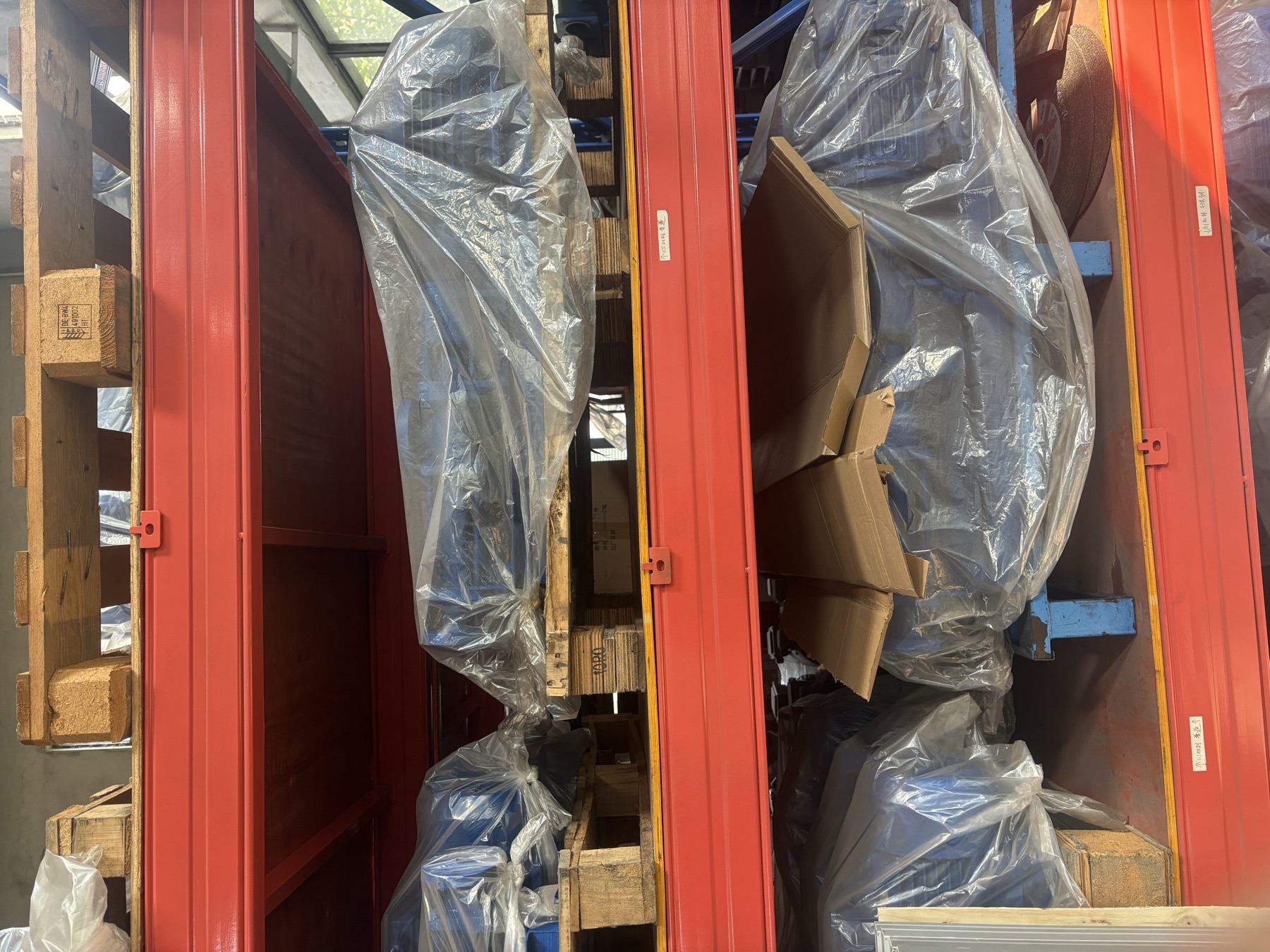
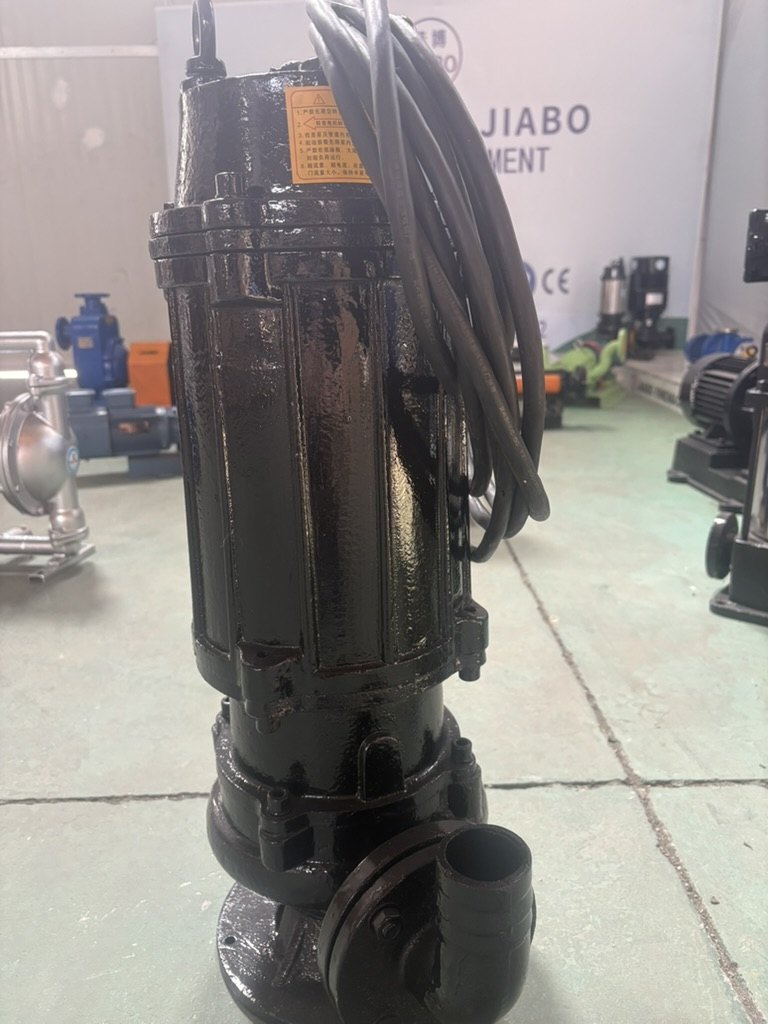
Submersible sewage pump
Select by flow, total dynamic head, pit layout, liquid level, solids passage, fibres, cable length, controls and the exact duty curve.
Explore matching range → Ask about this range
JIABO · Sewage and drainage range
JIABO WQ and WQD submersible sewage pumps, WQDX drainage pumps, GW pipeline pumps, LW vertical pumps and YW under-liquid pumps use different installation arrangements. JYWQ stirring and QGWQ cutter configurations address particular settled or fibrous wastewater inquiries. Start with the installation, then check flow, head, solids passage, fibers, liquid chemistry, controls and the exact performance curve.
Choose a series
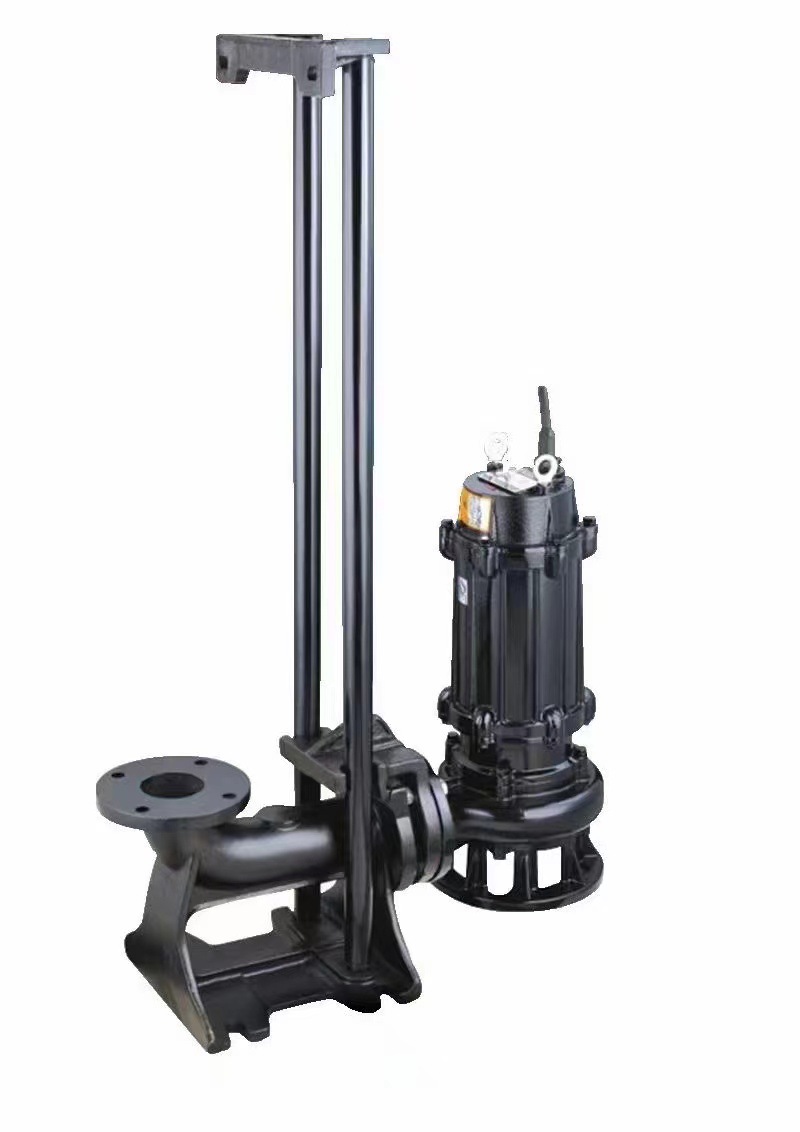
Every series now has a construction-correct cover: WQ and WQDX are submersible, GW is vertical inline, LW is dry-installed vertical, and YW is a long-shaft under-liquid arrangement. Confirm the exact JIABO model drawing and performance curve before ordering.
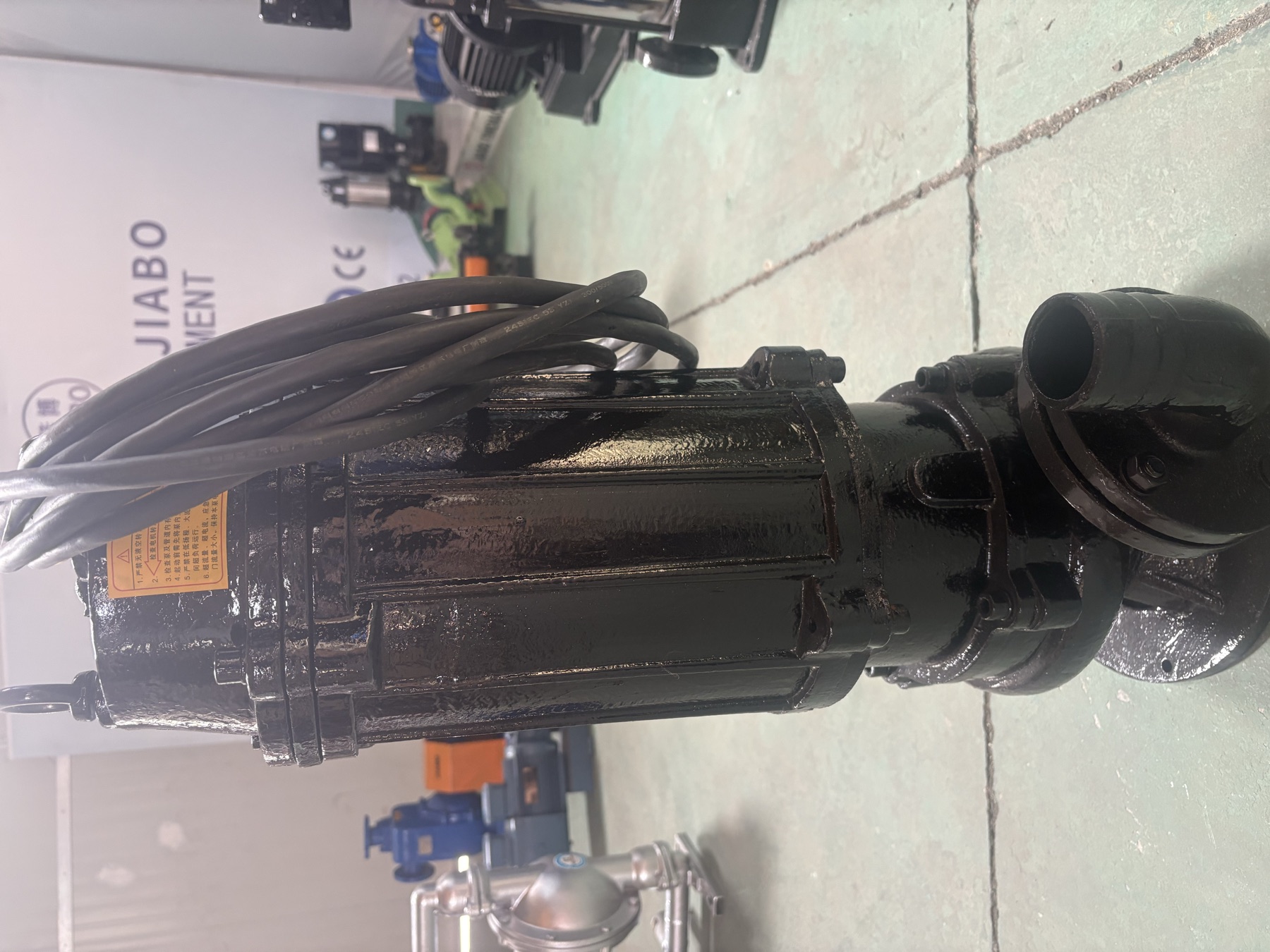
Submersible sewage pumps for wastewater transfer, municipal pumping stations, sumps and pits. Select by solids size, flow, total dynamic head and installation depth.
Explore series →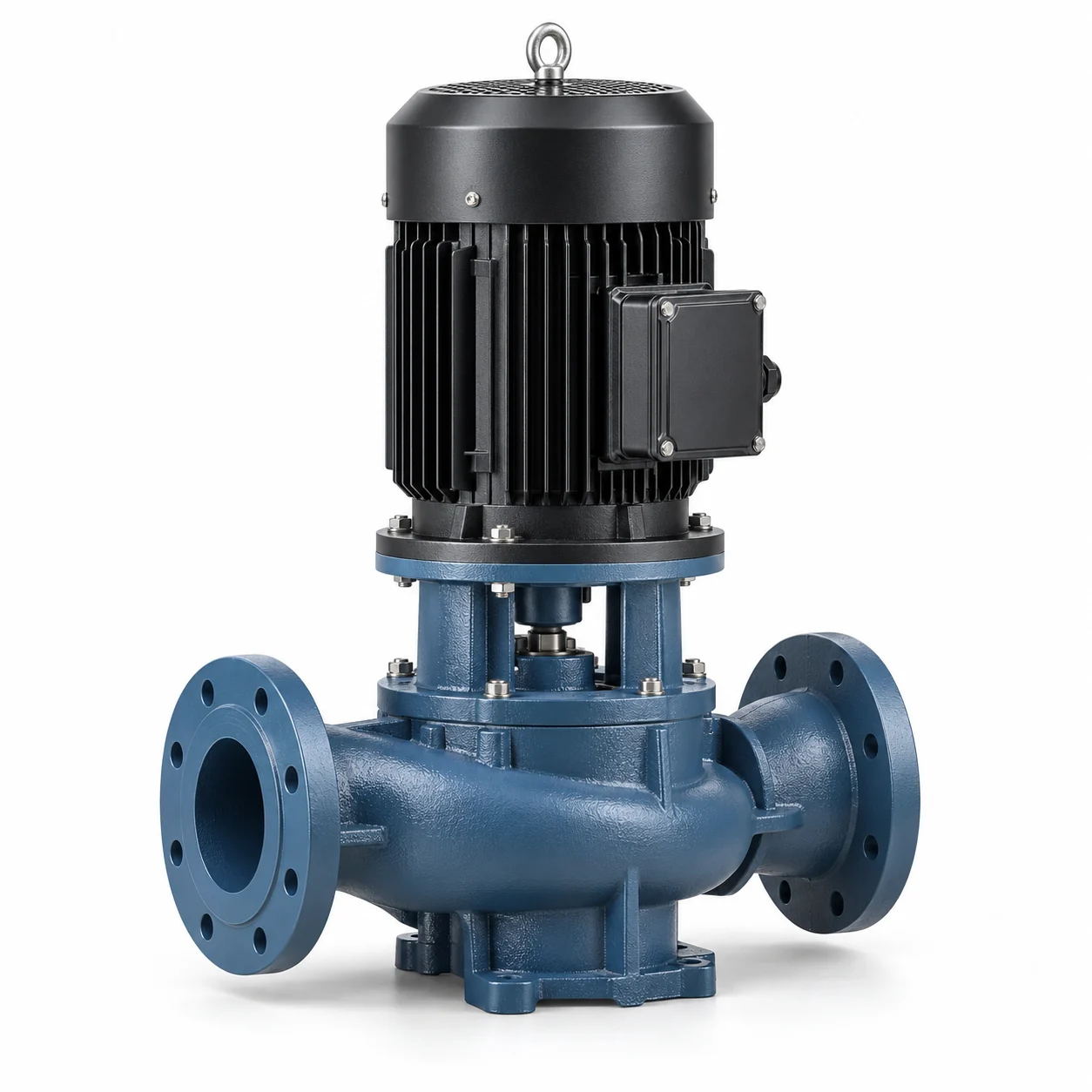
Vertical inline non-clog sewage pumps for direct pipeline installation in municipal, commercial and industrial wastewater-transfer systems.
Explore series →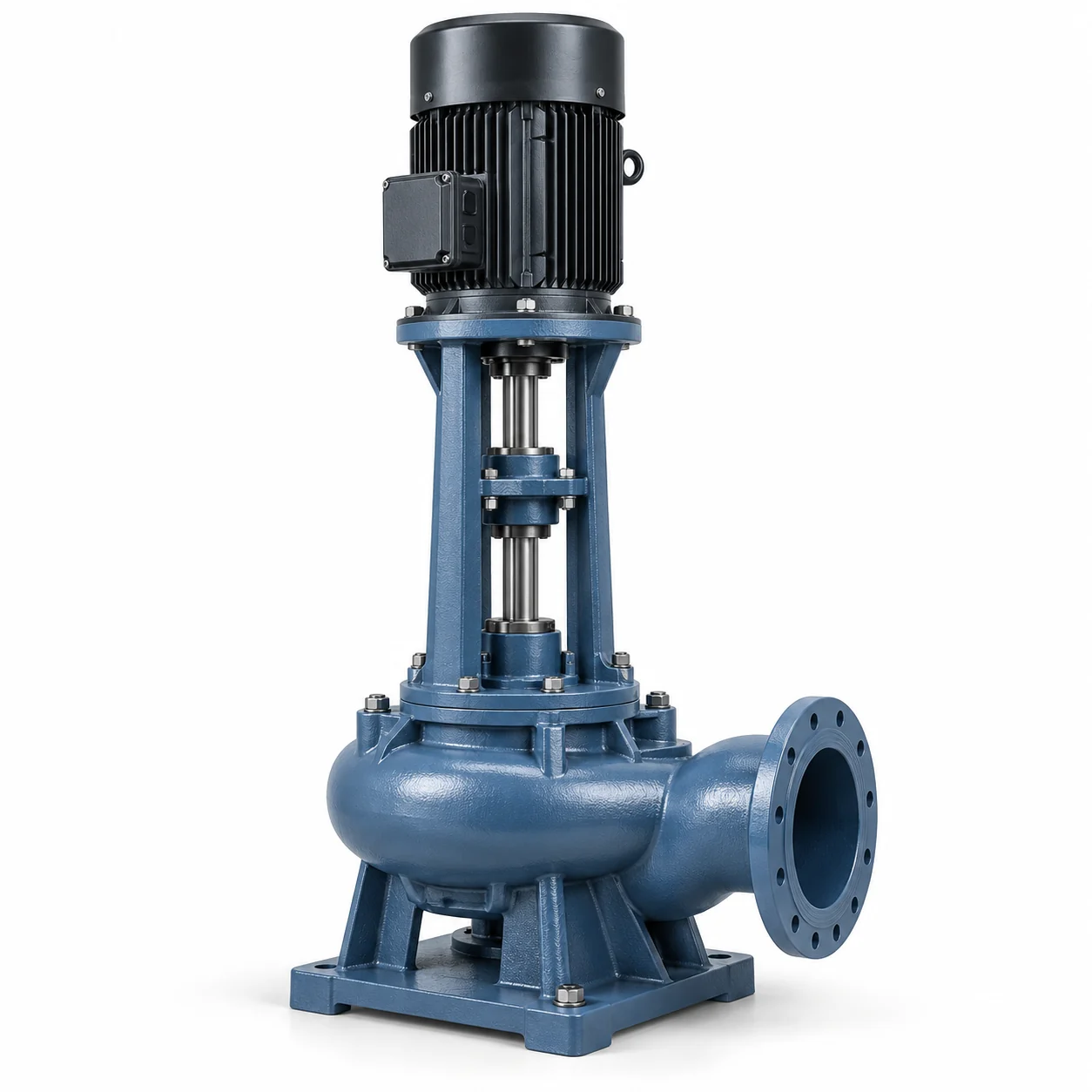
Dry-installed vertical non-clog sewage pumps for wastewater stations and drainage systems where the motor remains accessible above the pump casing.
Explore series →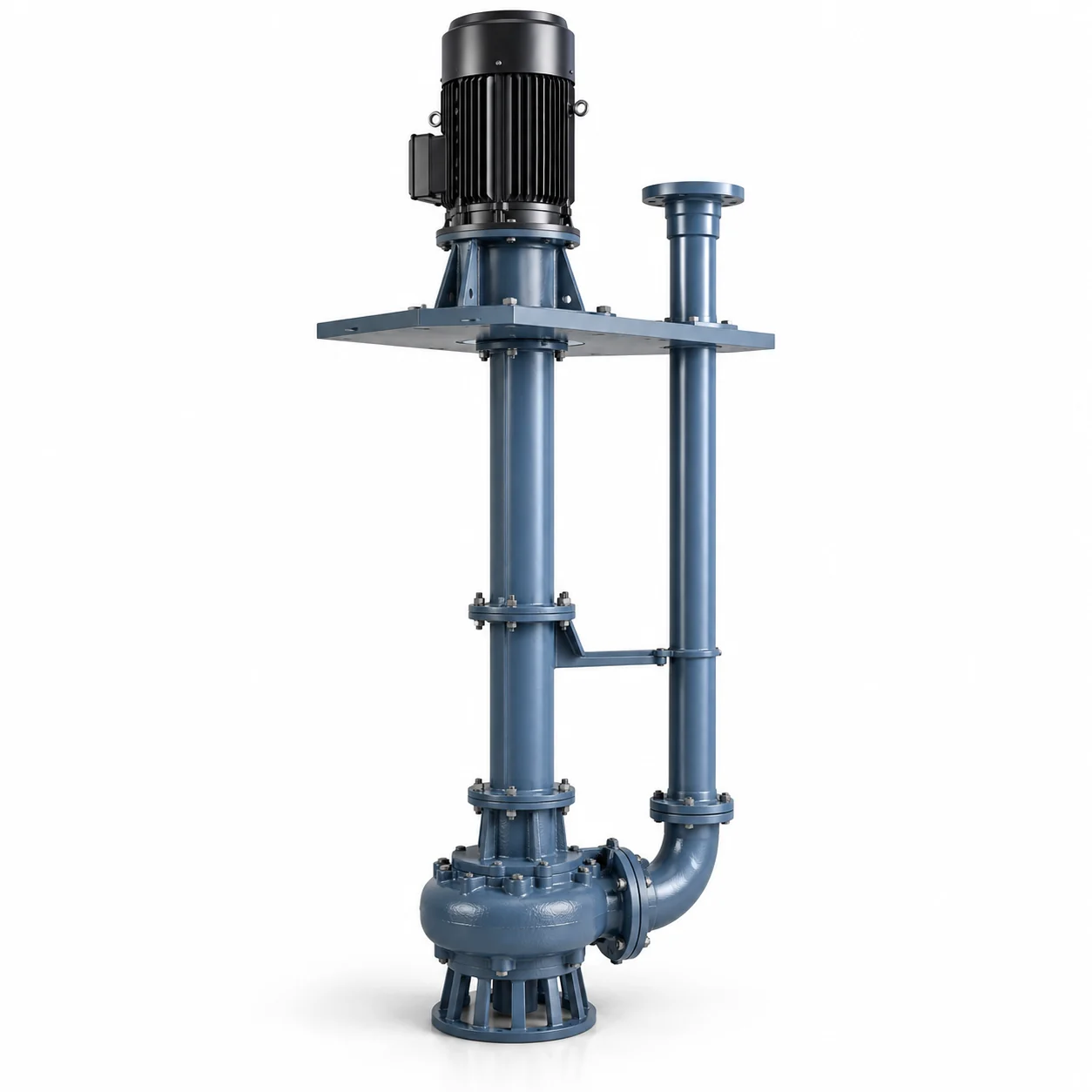
Vertical long-shaft under-liquid sewage pumps for sumps and tanks, keeping the motor above the liquid while the hydraulic end operates below the mounting plate.
Explore series →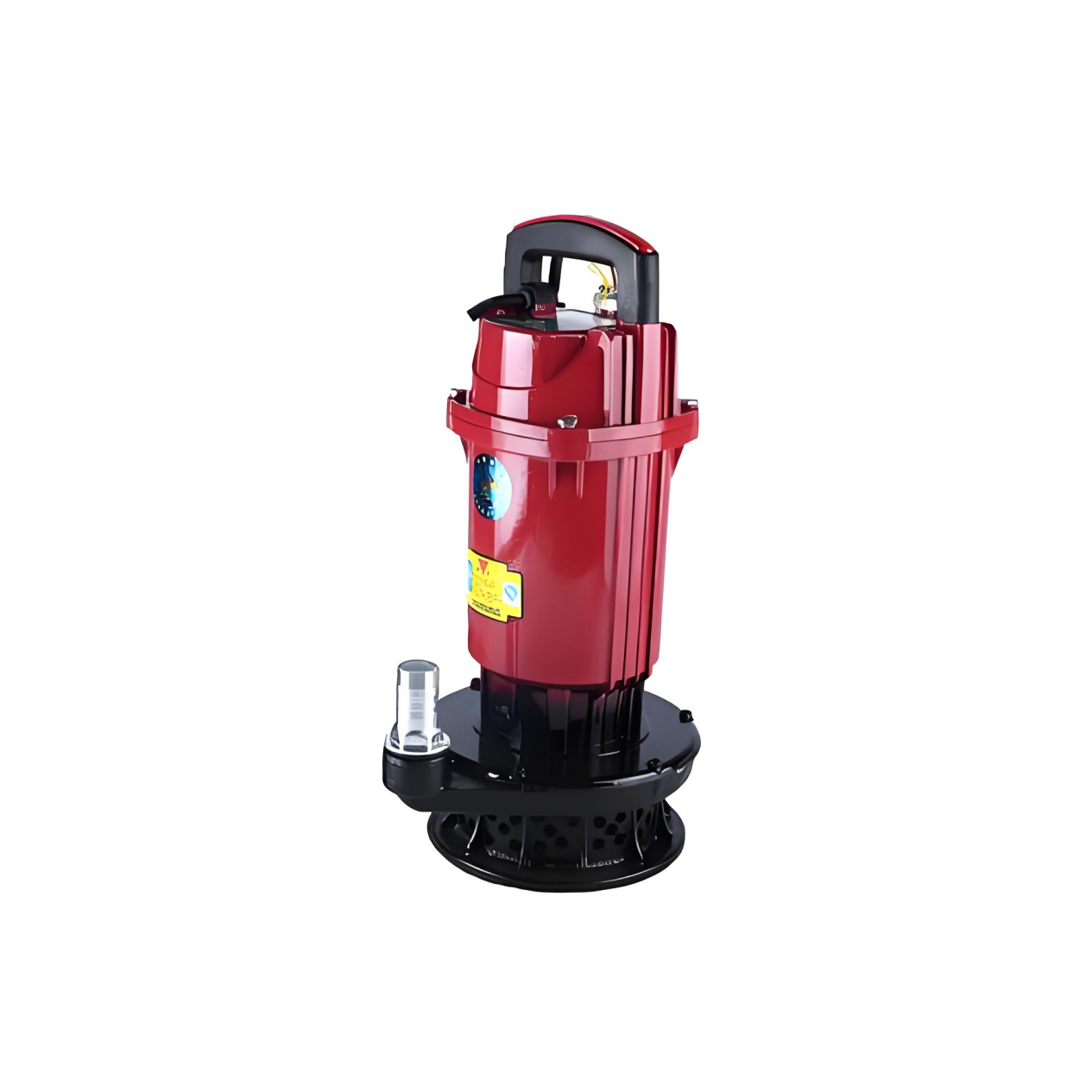
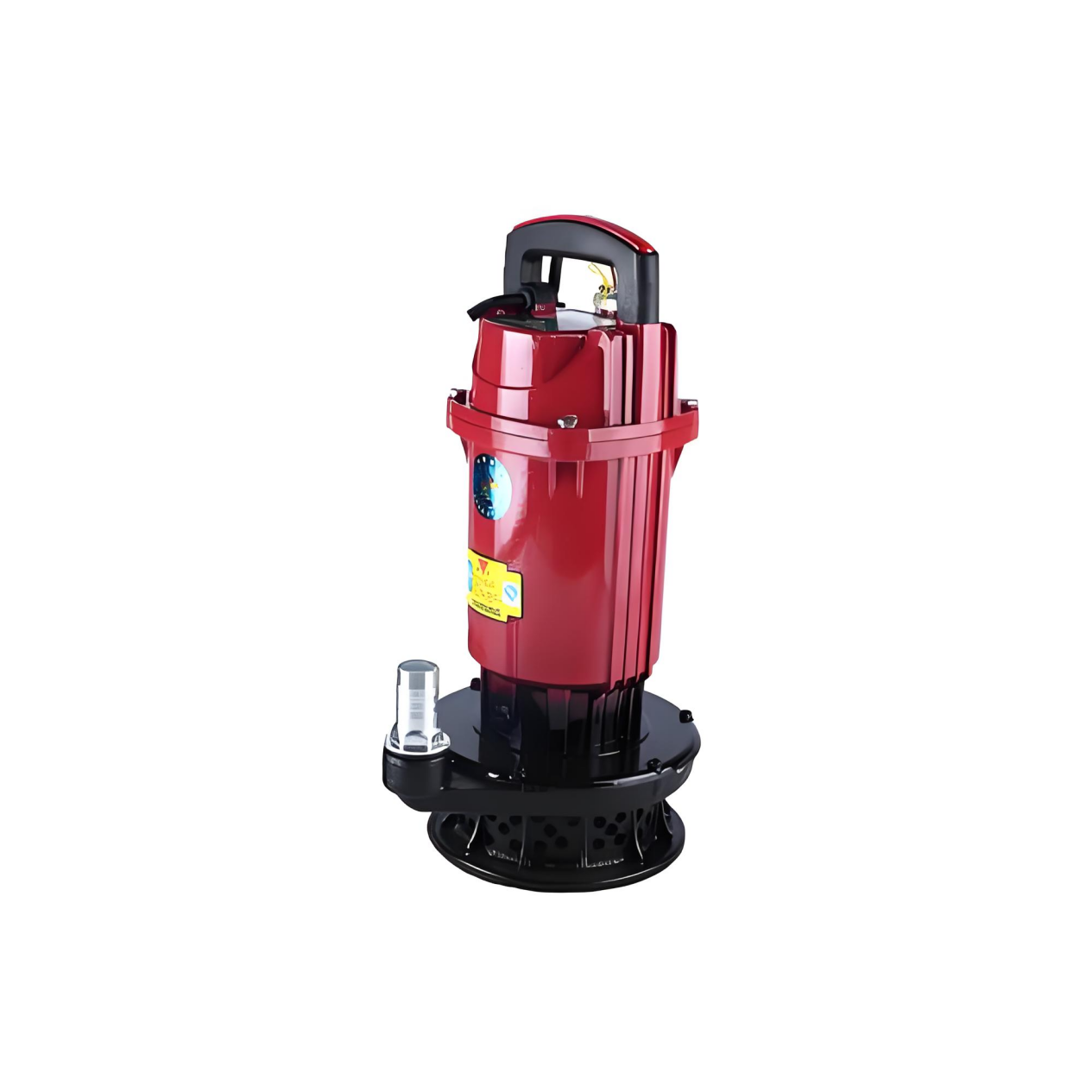
Compact submersible drainage pumps for construction dewatering, flooded-area drainage, sumps and temporary clean or lightly contaminated water removal.
Explore series →Catalog-backed model data
Values are transcribed from the supplied manufacturer catalogs. Confirm the current curve, materials, and operating limits before ordering.
Compact WQD models from the supplied catalog for 220 V installations. The model code identifies rated flow, rated head, and motor power.
| Model | Rated flow | Rated head | Power | Voltage | Outlet |
|---|---|---|---|---|---|
| 25WQD3-7-0.25S | 3 m³/h | 7 m | 0.25 kW | 220 V | 25 mm |
| 32WQD5-7-0.37S | 5 m³/h | 7 m | 0.37 kW | 220 V | 32 mm |
| 40WQD7-7-0.55S | 7 m³/h | 7 m | 0.55 kW | 220 V | 40 mm |
| 50WQD12-8-0.75S | 12 m³/h | 8 m | 0.75 kW | 220 V | 50 mm |
| 65WQD20-6-1.1S | 20 m³/h | 6 m | 1.1 kW | 220 V | 65 mm |
| 50WQD15-20-2.2S | 15 m³/h | 20 m | 2.2 kW | 220 V | 50 mm |
Range comparison
These distinctions help narrow the inquiry. They are not a substitute for an exact model curve or materials list.
| Series / arrangement | What distinguishes it | Confirm before selection |
|---|---|---|
| WQ / WQDX submersible | Pump-and-motor assemblies intended to operate in a suitable submerged installation. | Pit dimensions, solids, cable and sealing, liquid level and duty curve. |
| GW pipeline | Vertical inline construction connects directly into a wastewater pipeline while keeping the motor above the casing. | Pipe diameter, flanges, service access, solids passage and current model curve. |
| LW vertical / YW under-liquid | LW is dry-installed with an accessible motor; YW places the hydraulic end below a mounting plate on a long shaft. | Sump depth, immersion length, foundation, discharge arrangement, materials and exact model limits. |
Supplied product photos
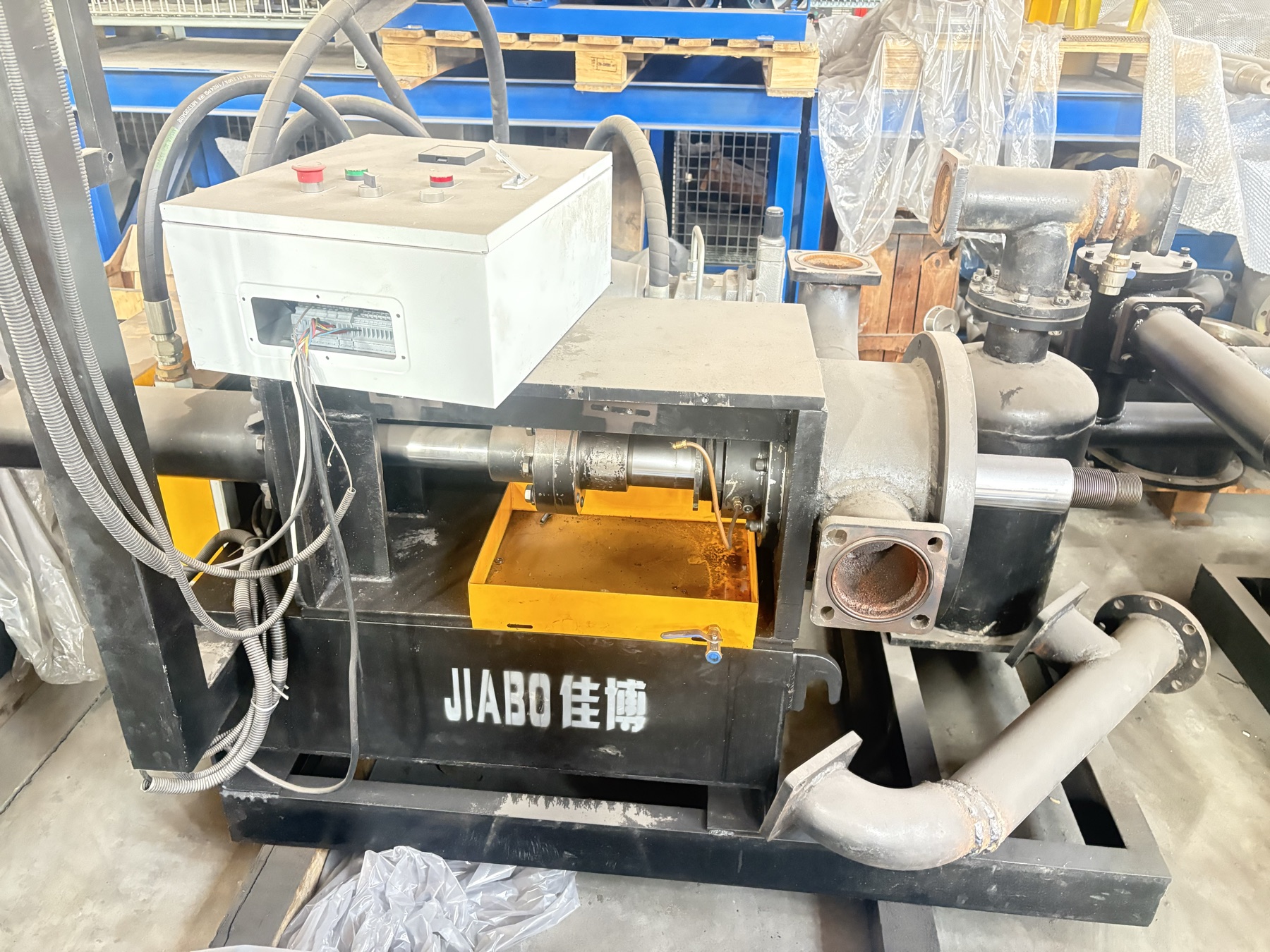
Photos show configurations within this range. They do not establish a model’s flow, head, pressure or materials; check the current datasheet before ordering.
Typical applications
For a model recommendation
Popular buyer searches
These search terms are useful starting points. Final selection still requires the exact liquid, duty point and installation conditions.
Select by flow, total dynamic head, pit layout, liquid level, solids passage, fibres, cable length, controls and the exact duty curve.
Explore matching range →Use a cutter configuration for defined fibrous solids only after confirming cutter construction and limits; it is not a universal solution for every object.
Non-clog describes hydraulic intent, not a guarantee. Identify wipes, rags, stringy fibres, grease, sand and maximum solids before selecting the impeller.
Drainage pumps suit cleaner or lightly contaminated water; verify solids, abrasion, minimum water level and continuous-duty limits.
Explore matching range →Buyer questions
For final selection, confirm the exact model and operating conditions with JIABO.
Provide required flow and total dynamic head, pit dimensions, minimum and maximum liquid levels, expected solids size and concentration, fibers, liquid chemistry, discharge pipe and valve details, power supply and control method.
A cutter configuration may be investigated where fibrous material is expected, but it is not a universal solution for every solid or wipe. Describe the debris and request the exact cutting construction, solids limit and performance curve.
A sewage pump is selected around wastewater and its solids-handling requirements. A drainage pump is generally intended for cleaner or lightly contaminated water. Always confirm the model-specific solids passage and liquid compatibility.
Start with the installation arrangement: submerged pit, pipeline or vertical-sump layout. Then check the exact model's flow, head, solids passage and materials.
No. A photo cannot establish solids passage. Send the expected solids size, concentration, fibers and liquid chemistry and request the current model datasheet.
Not automatically. WQDX is presented as a drainage series and WQ as a sewage series. Their model-specific solids limits and duty curves must be checked separately.
Technical documents
Check model tables, installation instructions, materials, and safety notes in the original documents.
Before choosing a model
Our selection guides show what to measure and what to ask for in the current technical sheet.
Talk to JIABO
Ask for the current model table and quotation.Share the liquid, required duty point, power supply and installation details.
Send an inquiry
Include the model if known. For selection help, add the liquid, required flow, head or pressure, power supply, and installation conditions.